
Strategy 2030 was officially launched during an event attended by cultural stakeholders and practitioners, artists and representatives from Malta’s cultural and creative sectors.
The new strategy outlines Arts Council Malta’s goals for the coming years. Through a practical and structured framework, Strategy 2030 is designed to address the current realities within the cultural and creative sectors.
Strategy 2030 recognises the complexities encountered in artistic practices and the need to create stable conditions to allow creativity to flourish. Its framework is built on three foundations: professional development, cultural rights and internationalisation.
Dr. Owen Bonnici, Minister for Culture, Lands and Local Government said, “Strategy 2030 reflects our government’s commitment to placing arts and culture at the heart of Malta’s long-term development. Culture makes up an integral part of national progress. Through this strategy we are strengthening the conditions that allow artists, organisations and creative communities to grow confidently, plan ahead and create long-term, sustainable work. We also recognise that culture is a living sector built upon new technologies, changing audiences and ever-evolving forms of expression. The government’s role is not to control creativity but to provide stability, trust and direction that allow creativity to flourish. In this way, we are investing in a sector that sustains education, promotes innovation, strengthens communities and contributes to our country’s wider development along the lines of Vision 2050.”
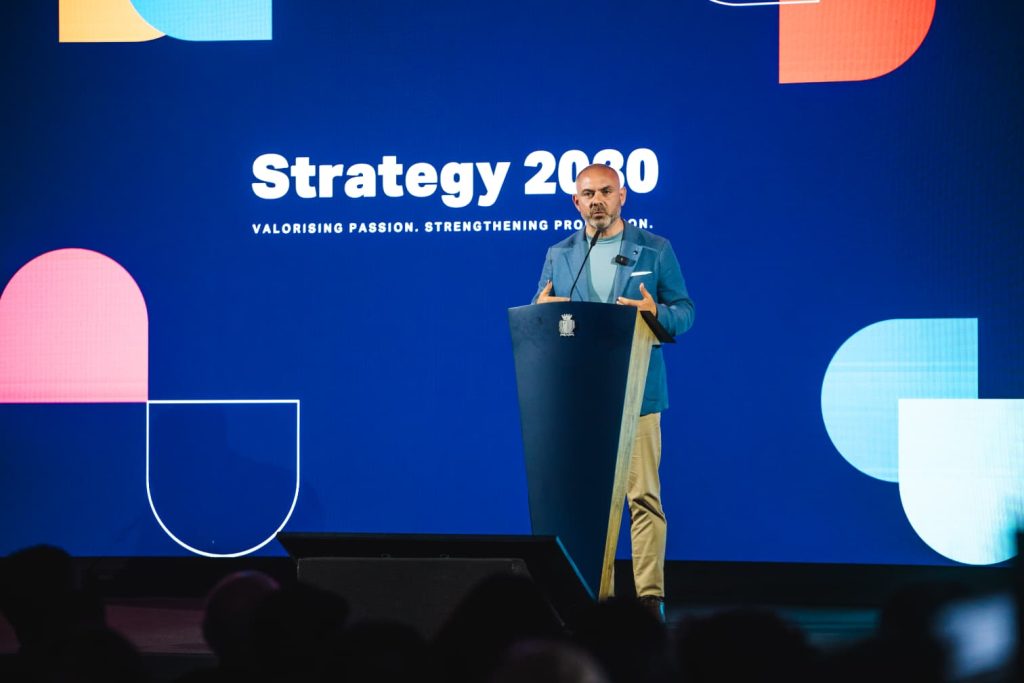
During Strategy 2030’s launch, Arts Council Malta’s CEO, Dr Luke Dalli said, “Strategy 2030 is not simply a document but a decisive step towards a stronger, more sustainable and inclusive cultural ecosystem built on the right to culture, professional development and internationalisation. It recognises that art is not a decoration but a foundation that makes up our country’s identity, wellbeing and economy, and that creativity must be accessible to all. Above all, it is a collective invitation to building a future together where culture truly is for everyone to enjoy, a sector that cherishes its potential, grows with a clear vision and confidently places Malta on the international stage.”
Art Council Malta’s Director of Strategy, Mr. Daniel Azzopardi stated, “Strategy 2030 is built on the understanding that a strong cultural sector requires more than a strong will. It requires good conditions to grow: fair practices, long-term planning, significant access and clear opportunities for development. Every day we see the passion, commitment and community that keep the arts alive. However, passion alone is not enough. This is why Strategy 2030 is designed to help create a more sustainable environment where artists and organisations can move on from a place of uncertainty to long-term professional development while strengthening the links between local cultural life, cultural rights and international exchanges.”
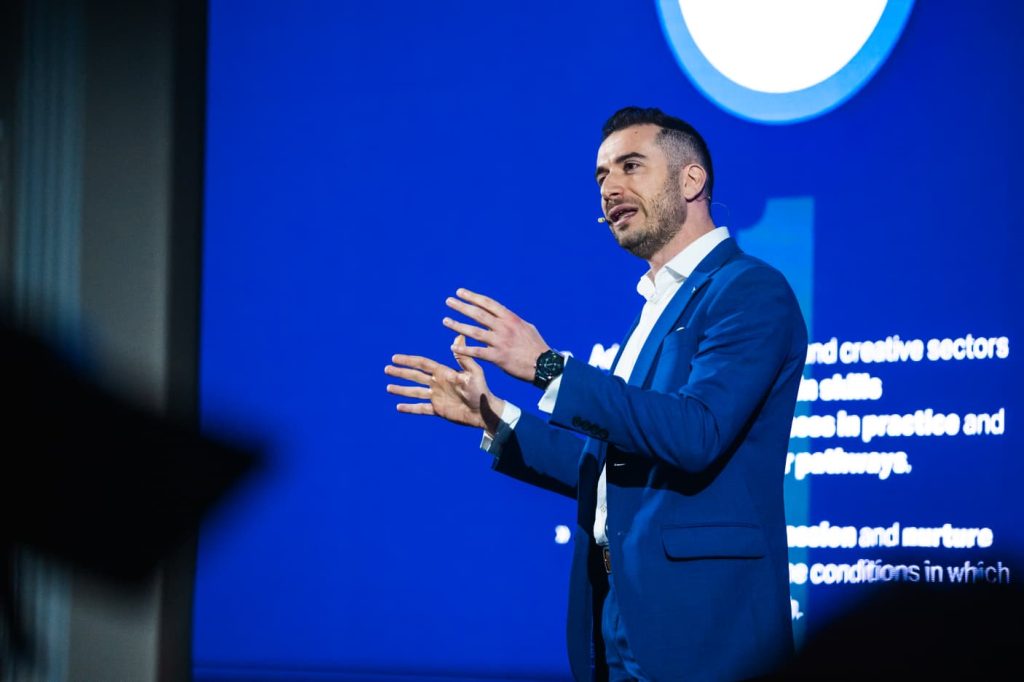
“Strategy 2030 is not just a plan of action but a living framework built on active listening and continuous research and co-creation within the sector. This strategy recognises culture as a complex social ecosystem and adapts dynamically to reflect and support artists’ and communities’ realities and challenges,” said Strategy 2030’s co-author, Professor Valerie Visanich.
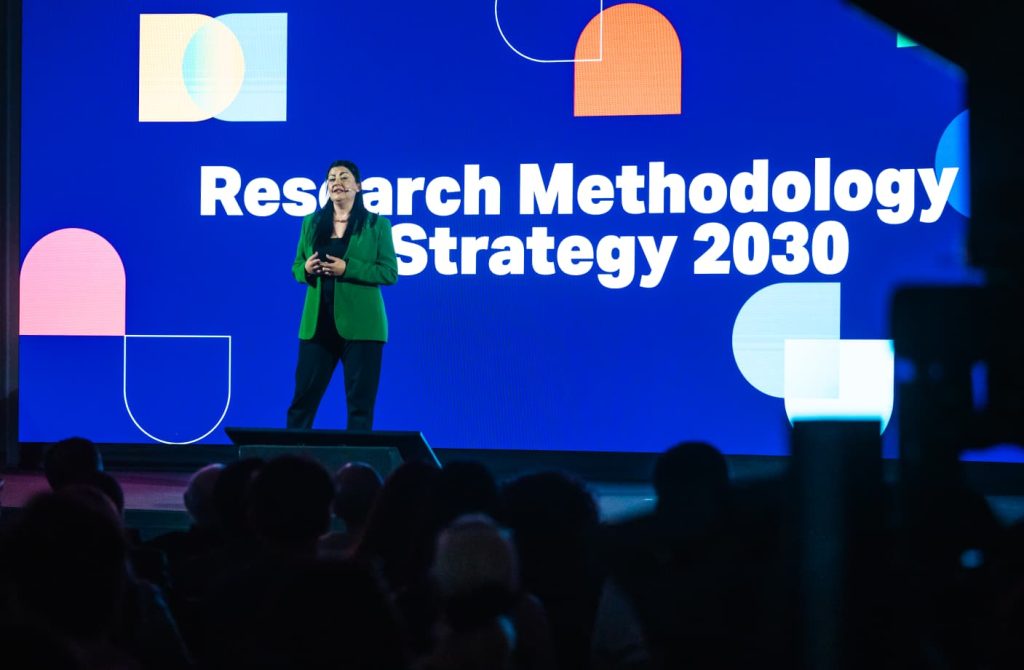
Strategy 2030 is founded on five main principles that function over four strategic areas. These include inclusion, diversity, democratic representation and wellbeing as essential conditions for a sustainable, cultural ecosystem that extends beyond our island. The strategy also takes into consideration digital change and its impact on cultural practice including the presence of artificial intelligence and the issues that it raises regarding ethics, environmental responsibility and the future of creative work.
The strategy is split over 55 action points that guide its implementation. These actions are supported through detailed roadmaps, monitoring structures and regular public reporting to ensure transparency throughout continuous evaluation.
The pillar dedicated to professional development focuses on strengthening the structures that support artists, creatives and cultural organisations over time. This includes the creation of means that lead to sustainable careers, transparent contracts, fair pay and work conditions that offer more stability.
The cultural rights pillar places access, inclusion, diversity, democratic representation and wellbeing at the heart of cultural policy. This pillar reflects the principle that arts and culture begin within communities and are built on creators’ life experiences, participation and imagination.
The internationalisation pillar reflects Malta’s continuous commitment to support our cultural and creative sectors’ international reach. As Maltese artists and organisations participate further in international platforms and with international audiences, this strategy aims to strengthen the conditions that allow this exchange to develop sustainably and significantly while increasing Malta’s presence in productions and cultural business on an international scale.
The full document can be downloaded from https://artscouncilmalta.gov.mt/en/strategy/


